Staying on the Cutting Edge of Medicine…
Unlike most injury attorneys who’ll take any kind of case. We focus our practice on orthopedic and brain injury so we can stay on the cutting edge of the medicine.
While it’s common for injury victims to receive settlements that pay for most or all of their medical bills and lost wages, but they don’t feel fully compensated for what they’ve gone through.
Because of our focus, we understand the full impact of your injury and we have been able to build relationships with treatment providers and experts across different medical specialties and to help you recover full and fair compensation.
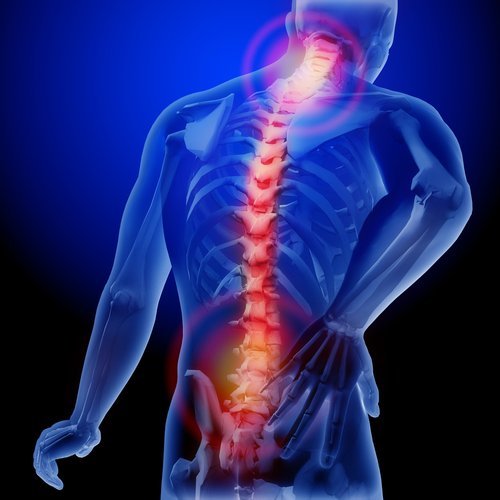
Overview Back and Spine Injury
Every year in the United States, around 18,000 people suffer a spinal cord injury. Unfortunately, once the spinal cord is damaged, it cannot repair itself. Because it serves as the conduit for messages from the brain to the rest of the body, a damaged spinal cord interferes with multiple abilities and bodily functions. Spinal cord injury victims’ lives change drastically. We help you maximize your compensation if you were injured by a negligent individual, company, or organization. We are passionate about helping you find full and fair compensation and ensuring your future is covered.
Types of Spinal Cord Injury We Can Help With
Spinal cord injuries can take many different forms. Each type of injury comes with unique challenges and requires different care, which could include surgeries, therapy, medication, and more. It's essential to note that spine injuries can have significant physical, emotional, and financial consequences. The seriousness of a spine injury often requires proper medical evaluation, diagnosis, and treatment by healthcare professionals. The specific treatment options and long-term prognosis depend on the individual case, and it's important to consult with medical experts to understand the severity and potential implications of a spine injury.
What Is the Spinal Cord? Identifying Its Critical Functions. The spinal cord is organized into segments. Each segment marks locations where spinal nerves emerge from the cord:
Cervical spinal nerves (C1 to C8) control signals to the back of the head, the neck and shoulders, the arms and hands, and the diaphragm.
Thoracic spinal nerves (T1 to T12) control signals to the chest muscles, certain back muscles, and portions of the abdomen.
Lumbar spinal nerves (L1 to L5) control signals to the lower abdomen and back, buttocks, parts of external genital organs, and leg.
Sacral spinal nerves (S1 to S5) control signals to the thighs and lower parts of the legs, feet, external genital organs, and area near the anus.
The single coccygeal nerve carries sensory information from the skin of the lower back.
Types of Vehicle Accident-Caused Back & Spine Injuries
Accidents can result in various types of back injuries, ranging from mild to severe. Here are some common types of accident-caused back injuries:
Sprains and Strains: The muscles, ligaments, and tendons in the back can be sprained or strained due to sudden movements or trauma. These injuries can cause pain, stiffness, muscle spasms, and limited range of motion.
Whiplash: Whiplash is a common back injury resulting from the rapid back-and-forth motion of the neck and upper spine, often occurring in car accidents. It can cause neck pain, stiffness, headaches, and pain in the upper back and shoulders.
Herniated Disc: A herniated disc occurs when the soft center of a spinal disc protrudes through the tougher exterior. It can happen due to trauma or excessive force on the back, leading to symptoms such as back pain, numbness, tingling, or weakness in the affected area. A herniated disc occurs when the soft inner portion of a spinal disc protrudes through its outer layer. This can put pressure on nearby nerves, causing pain, numbness, tingling, or weakness. The severity of symptoms and long-term impact vary, depending on the location and size of the herniation.
Nerve Root Injury: A nerve root injury refers to damage or irritation to the nerve roots that emerge from the spinal cord and exit the spine through small openings between the vertebrae called neural foramina. These nerve roots are responsible for transmitting sensory and motor signals between the spinal cord and the rest of the body.
Compression Fractures: Compression fractures typically occur in the vertebrae due to a forceful impact, such as in a fall or car accident. These fractures can cause pain, deformity, and limited mobility.
Spinal Fractures: Accidents involving significant force can lead to fractures in the vertebrae of the spine. These fractures can be stable (compression fractures) or more severe (burst fractures), potentially causing severe pain, limited mobility, and in some cases, nerve damage. Fractures in the vertebrae can occur due to trauma, such as car accidents or falls. The severity of a spinal fracture depends on factors like the location and extent of the break. Stable fractures may heal with conservative treatment, while more severe fractures may require surgical intervention. In some cases, spinal fractures can lead to spinal instability or nerve damage.
Spinal Cord Injuries: Severe accidents can result in spinal cord injuries, which can have life-altering consequences. Damage to the spinal cord can lead to partial or complete paralysis, loss of sensation, and a range of other physical impairments depending on the location and severity of the injury. Spinal cord injuries are often the most severe and life-altering spine injuries. Damage to the spinal cord can result in partial or complete paralysis, loss of sensation, and other neurological impairments. The severity and extent of the disability depend on the level of the spinal cord injury and the completeness of the damage.
Radiculopathy: Lumbar radiculopathy, also known as sciatica, occurs when a nerve in the lower back is compressed or irritated. It can cause pain, tingling, numbness, or weakness that radiates down the leg. Radiculopathy in the neck or middle back, commonly known as a pinched nerve, occurs when a nerve root in the spine is compressed or irritated. It can cause pain, numbness, tingling, or weakness that radiates into the arms (cervical radiculopathy) or legs (lumbar radiculopathy). The severity and impact of radiculopathy can vary depending on the location and severity of nerve compression.
Cervical Spine Injury: A cervical spine injury refers to damage or trauma to the neck region of the spine, which consists of seven vertebrae (C1-C7) that make up the cervical spine. Car crashes can indeed cause cervical spine injuries due to the forces exerted on the neck during the impact.
Thoracic Spine Injury: A thoracic spine injury refers to damage or trauma to the middle portion of the spine, known as the thoracic region. This region consists of 12 vertebrae (T1-T12). While car crashes more commonly result in cervical or lumbar spine injuries, thoracic spine injuries can also occur.
Lumbar Spine Injury: A lumbar spine injury refers to damage or trauma to the lower back region of the spine, specifically the lumbar vertebrae (L1-L5). Car crashes can potentially cause lumbar spine injuries due to the forces exerted on the lower back during the impact.
Sacrum Injuries: A sacrum spine injury refers to damage or trauma to the sacral region of the spine. The sacrum is a triangular bone located at the base of the spine, between the two hip bones. While sacrum spine injuries are less common in car crashes compared to injuries in other regions of the spine, they can occur in severe accidents
It's important to note that the severity and long-term effects of these injuries can vary depending on the individual, the force of impact, and other factors. Seeking immediate medical attention and proper diagnosis is essential to determine the specific type and extent of the back injury and to establish the necessary treatment plan. At Phillips Personal Injury, we work closely with treatment providers to make sure you receive full and fail compensation.

What are the Common Causes of Back Injuries in Vehicle Collisions?
Car collisions can result in various causes of back injuries due to the forces exerted on the body during the impact. Some common causes of back injuries in car collisions include:
Rear-end collisions: Being struck from behind can cause the body to experience a sudden jolt, leading to whiplash injuries. The rapid back-and-forth movement of the neck and upper spine can strain the muscles, ligaments, and soft tissues in the back.
T-bone or side-impact collisions: Side-impact collisions can result in significant forces applied to the side of the vehicle where the occupant's back may be located. This impact can cause spinal compression, fractures, or soft tissue injuries in the back.
Head-on collisions: Head-on collisions are often severe and can result in high-impact forces. The sudden deceleration and impact can lead to spinal compression fractures, herniated discs, or other severe back injuries.
Rollover accidents: Rollover accidents involve the vehicle overturning or rolling multiple times. During a rollover, the body may be subjected to violent movements and impacts, which can cause spinal fractures, disc injuries, or damage to the spinal cord.
Side-impact collisions: Similar to T-bone collisions, side-impact crashes can cause significant forces to be applied to the side of the vehicle, potentially leading to back injuries. The intensity and location of the impact can determine the specific type and severity of the back injury.
Seat-belt injuries: While seat-belts are essential for safety, they can also contribute to back injuries. The force exerted by the seatbelt during a collision can cause bruising, sprains, strains, or fractures in the back.
Air-bag injuries: Airbags are designed to provide a protective cushioning effect during car accidents, reducing the risk of severe injuries. However, in rare cases, airbags themselves can cause injuries, particularly if they deploy with excessive force or in an improper manner.
Vehicle design and safety features: In some cases, back injuries can be influenced by the design of the vehicle or the effectiveness of safety features. Poorly designed seats, inadequate headrests, or malfunctioning airbags can contribute to back injuries during a collision.
What Other Complications are Associated with Back Injuries from Auto Accidents?
Back injuries from auto accidents can lead to various complications, which can vary depending on the type and severity of the injury. Here are some common complications associated with back injuries from auto accidents:
Chronic pain: Back injuries can result in chronic pain that persists beyond the expected healing time. This can significantly impact daily activities, mobility, and quality of life.
Limited mobility and functional impairment: Severe back injuries can cause limited range of motion, reduced mobility, and functional impairment. This can affect the ability to perform activities of daily living, work, or participate in recreational activities.
Nerve damage: Back injuries, such as herniated discs or spinal cord injuries, can compress or damage nerves. This can lead to symptoms such as numbness, tingling, muscle weakness, or loss of sensation in the affected areas.
Radiculopathy: Radiculopathy, commonly known as sciatica, can occur when a nerve root in the lower back is compressed or irritated. It can cause pain, numbness, tingling, or weakness that radiates down the leg.
Spinal instability: Severe back injuries can result in spinal instability, where the structures supporting the spine are compromised. This can lead to increased risk of further injury, misalignment, or chronic pain.
Psychological impact: Dealing with the physical and emotional toll of a back injury can have psychological consequences. Individuals may experience depression, anxiety, post-traumatic stress disorder (PTSD), or other mental health conditions following an auto accident and back injury.
Loss of independence and quality of life: Depending on the severity of the back injury, individuals may experience a loss of independence, reduced ability to engage in activities they previously enjoyed, and diminished overall quality of life.
Financial burdens: Back injuries from auto accidents can result in substantial medical expenses, rehabilitation costs, lost wages due to inability to work, and ongoing treatment and therapy needs. These financial burdens can add to the stress and challenges of recovering from the injury.
Remember, it's important for individuals with back injuries from auto accidents to receive appropriate medical care, follow recommended treatment plans, and seek support from healthcare professionals and rehabilitation specialists to manage and address these potential complications. At Phillips Personal Injury, we work closely with treatment providers to make sure you receive full and fail compensation for your injury.
How to Prove Accident-Caused Back Injuries
Proving accident-caused back injuries typically involves gathering evidence and establishing a clear link between the accident and the resulting back injuries. Here are some steps that can help in the process:
Seek immediate medical attention: After the accident, it's crucial to seek medical care as soon as possible. A medical professional can evaluate your injuries, document them in medical records, and provide a diagnosis and treatment plan.
Follow the recommended treatment plan: It's important to follow your healthcare provider's instructions regarding treatment, medications, physical therapy, or any other recommended therapies. Adhering to the treatment plan demonstrates your commitment to your recovery and can support your claim.
Document medical records: Keep copies of all medical records related to your back injuries. These records should include diagnosis, treatment plans, progress notes, test results, and any other relevant documentation. These records will serve as crucial evidence in establishing the extent and cause of your injuries.
Obtain expert medical opinions: If necessary, consult with medical specialists or experts who can provide an independent evaluation and opinion regarding your back injuries. Their expert testimony can help establish a connection between the accident and your specific injuries.
Gather accident-related evidence: Collect any available evidence related to the accident itself. This may include photographs of the accident scene, police reports, eyewitness statements, and any other relevant documentation. This evidence can help establish the circumstances of the accident and support your claim.
Maintain a journal: Keep a detailed journal documenting your pain, symptoms, limitations, and how your back injuries have affected your daily life and activities. This personal account can provide additional evidence of the impact of the injuries on your quality of life.
Consult with a personal injury attorney: Consider seeking legal advice from a personal injury attorney experienced in handling back injury cases. They can guide you through the legal process, assess the strength of your case, and help gather the necessary evidence to support your claim.
It's important to note that the process of proving accident-caused back injuries can be complex, and the specific requirements may vary depending on your jurisdiction and the nature of the accident. Consulting with a knowledgeable personal injury attorney is advisable to ensure you understand and follow the appropriate legal procedures for your specific situation. Consultations are free, so we invite you to call us with any questions you may have.
Should You Hire a Back Injury Accident Attorney?
Deciding whether to hire a back injury accident attorney depends on several factors, including the severity of your injury, the circumstances surrounding the accident, and the legal complexities involved. While it's not a requirement to hire an attorney for every back injury case, consulting with a personal injury attorney specializing in accident cases can offer several potential benefits:
Legal expertise: At Phillips Personal Injury, we focus on orthopedic injury claims and have the legal knowledge and experience to navigate the complexities of back injury cases resulting from accidents. We understand the applicable laws, regulations, and procedures and can provide guidance on how to protect your rights and build the best case to maximize your recovery.
Case evaluation: We can assess the strength of your case by examining the evidence, such as medical records, accident reports, and witness statements and can provide an informed opinion on the potential for a successful claim and estimate the value of your case.
Insurance negotiation: Dealing with insurance companies can be challenging, as their primary goal is to minimize payouts. An attorney can handle communication and negotiation with insurance companies on your behalf, advocating for fair compensation for your back injury, including medical expenses, lost wages, pain and suffering, and other damages. Our goal is always full and fair compensation for your injury.
Gathering evidence: Attorneys have resources to conduct investigations, gather evidence, and consult with experts, such as medical professionals or accident reconstruction specialists, to strengthen your case. They can ensure that all relevant evidence is properly obtained and presented to support your claim.
Legal representation: If your case goes to court, having a skilled back injury attorney by your side can be invaluable. They can present your case, argue on your behalf, and protect your rights during the legal proceedings.
Contingency fee arrangement: We work on a contingency fee basis, which means we only get paid if we secure a settlement or win your case in court. This arrangement can provide financial benefit as you won't have to pay upfront legal fees or costs.
Ultimately, the decision to hire a back injury accident attorney is a personal one. If you've suffered a severe back injury with significant medical expenses, long-term effects, or if liability is disputed, it's advisable to consult with a personal injury attorney to understand your legal options and ensure your rights are protected. We can provide personalized advice based on the specifics of your case. Consultations are free, so we invite you to call us with any questions you may have.