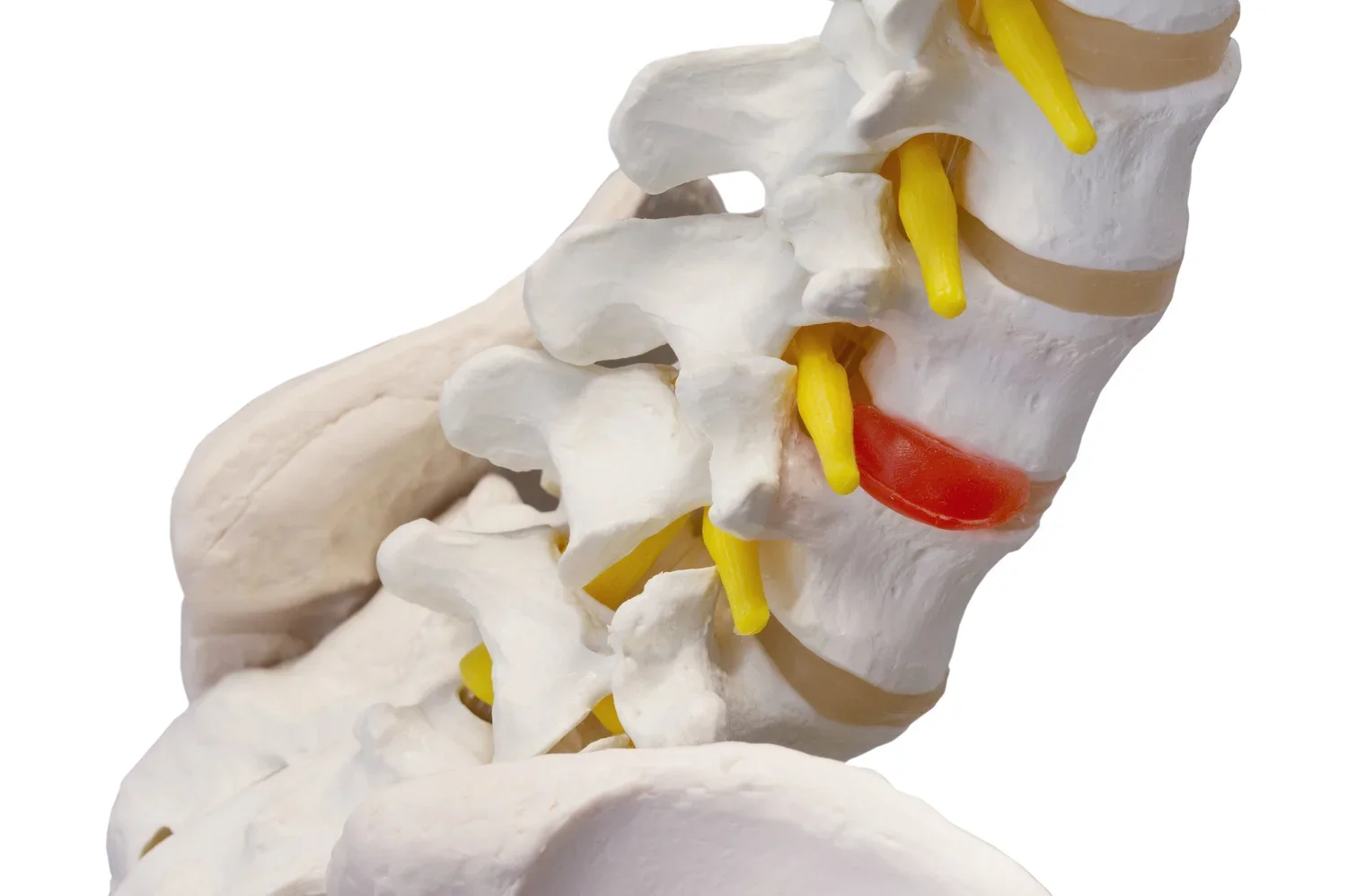
Disc injuries transform active lives into struggles with chronic pain and disability. Nevada City residents injured on Highway 49, Broad Street, or throughout Nevada County need attorneys who understand both complex spinal medicine and local court procedures. Located on Railroad Avenue just steps from Nevada County Superior Court, we've spent 25+ years focusing on orthopedic injuries, combining cutting-edge medical evidence with trial experience to maximize disc injury compensation.
What Insurance Companies Don't Want You to Know About Disc Injuries
Insurance companies have perfected strategies to minimize disc injury payouts. Understanding their tactics helps you protect your rights and avoid mistakes that permanently damage your case.
Computer Software Determines Your Initial Settlement Offer
Most people believe insurance adjusters personally evaluate claims and make fair settlement offers based on individual circumstances. The reality is drastically different. Major insurance companies use computer programs like Colossus that generate settlement offers based on data inputs with minimal human judgment.
Adjusters enter basic claim information including injury codes, medical treatment types, and treatment duration. The software applies algorithms calculating settlement ranges based on historical data showing what injured people previously accepted for similar injuries. These programs systematically undervalue claims because they're programmed based on inadequate settlements victims accepted without proper legal representation.
The system cannot account for your individual circumstances including your specific job requirements and limitations, your unique pain and suffering, how the injury specifically affects your daily life, or the actual severity of your particular disc injury. The software treats you as a data point, not a person with unique damages deserving individualized evaluation.
Insurance companies prefer these automated systems because they reduce settlements across millions of claims, saving billions in payouts annually. Adjusters have limited authority deviating from software-generated ranges regardless of your actual damages.
Medical "Peer Review" Programs Systematically Deny Treatment
When your doctor recommends expensive treatment like MRI scans, epidural injections, or surgery, insurance companies often subject these recommendations to "peer review" programs. These programs involve insurance-hired doctors reviewing your medical records and treatment plans.
Insurance companies market peer review as quality control ensuring medically necessary care. The reality is these programs exist solely to deny expensive treatments. Insurance companies specifically hire doctors known for denying treatment recommendations. These doctors never examine you, never speak with your treating physicians, and base denial decisions solely on record reviews designed to find any excuse denying treatment.
Common peer review denial tactics include claiming treatment is "not medically necessary" despite your doctor's recommendation, arguing you should try additional conservative treatment before advanced care, demanding you see insurance-selected doctors who predictably find no need for treatment, and exploiting any ambiguity in medical records to deny treatment authorization.
These denials serve two purposes - they reduce immediate medical costs and they create treatment gaps in your medical records that insurance companies later use arguing injuries weren't serious. When treatment is denied, work with your attorney to appeal denials and document insurance company unreasonableness supporting bad faith claims.
Surveillance Investigators Follow You
Insurance companies routinely hire private investigators conducting video surveillance of injury claimants. Investigators follow you to document daily activities, photograph you performing tasks suggesting you're not as injured as claimed, and record you in public places without your knowledge or consent.
Surveillance aims to capture you doing anything contradicting your claimed limitations. If you claim you cannot lift objects but investigators film you carrying groceries, insurance companies will use this video arguing you lied about limitations. If you claim chronic back pain but surveillance shows you appearing comfortable walking, they'll argue you exaggerated symptoms.
The problem is surveillance captures brief moments, not continuous reality. You might manage grocery shopping on a good day but suffer severe pain for days afterward. You might temporarily appear comfortable while walking but be in agony sitting or standing. Insurance companies present deceptive surveillance edits showing only moments that appear inconsistent with claimed injuries while ignoring hours of footage showing genuine limitations.
Protect yourself by being honest about limitations with doctors and attorneys, never exaggerating symptoms or restrictions, understanding you may be recorded in public at any time, and avoiding social media posts about activities or travels that could be mischaracterized. If surveillance captures you performing activities, we'll explain context showing brief captured moments don't contradict overall disability.
Defense Medical Exams Are Designed to Deny Your Injury
Insurance companies often demand Independent Medical Examinations (IMEs) - though these exams are neither independent nor truly medical examinations. Insurance companies hire specific doctors who reliably minimize injuries and deny accident causation. These doctors perform their living generating opinions favorable to insurance companies.
Defense doctors systematically conclude your disc injury resulted from degenerative changes rather than trauma, treatment you received was excessive and unnecessary, you've reached maximum medical improvement and need no further care, you have no permanent disability or work restrictions, and your symptoms are exaggerated or psychological rather than physical.
IME doctors spend 15-30 minutes with you, don't review your complete medical history, focus on finding anything suggesting pre-existing conditions, and write reports concluding exactly what insurance companies want regardless of your actual condition. These doctors testify for insurance companies regularly, earning hundreds of thousands in annual income from insurance work.
Before any IME, consult your attorney about what to expect, your rights during examinations, and how to protect yourself from examination tactics designed to elicit statements damaging your claim.
Insurance Company Tactics You Need to Know
The Delay Game: Insurance companies delay claim processing hoping you'll become desperate and accept low offers. They request unnecessary documents, lose paperwork requiring resubmission, and take weeks responding to simple communications.
The Niceness Trap: Adjusters act friendly and concerned, building rapport so you trust them and reveal information they'll use against you. Remember - they work for insurance companies, not you.
The Quick Offer: Shortly after accidents, adjusters make fast settlement offers before injury extent is known. These offers are always inadequate but they hope you'll accept before consulting attorneys.
The Authority Limit Lie: Adjusters claim they want to pay more but their "authority limit" prevents higher offers. This creates artificial negotiation ceilings pressuring you to accept inadequate amounts.
The Medical Records Fishing Expedition: Insurance companies request complete medical histories hoping to find pre-existing conditions they can blame for current symptoms.
How Insurance Companies Actually Value Disc Injury Claims
Understanding insurance valuation methods helps you recognize lowball offers. Insurance companies evaluate disc injury claims using calculated formulas considering medical expenses (heavily discounted), lost wages (challenging every day claimed), treatment type (conservative treatment valued far less than surgery), and objective findings (MRI evidence valued higher than symptom complaints).
However, insurance companies systematically undervalue claims by applying arbitrary medical expense discounts (often paying only 60-70% of bills), challenging treatment necessity and reasonableness, denying future medical needs, minimizing or eliminating pain and suffering damages, and arguing comparative fault reducing payouts.
Their valuations ignore your actual suffering, quality of life impacts, career consequences, and family relationship strain. They reduce you to data points fed into algorithms generating inadequate offers.
Attorney representation fundamentally changes this dynamic. Insurance companies know we understand actual claim values, have access to medical and economic experts proving damages, and will try cases when settlement offers are inadequate. This knowledge makes them negotiate more reasonably.
The "Independent" Medical Record Review
Insurance companies hire medical review companies to analyze your records and treatment. These companies employ nurses or doctors who review records identifying any basis for denying or reducing claims. Reviews focus on finding treatment gaps, questioning treatment necessity, noting any pre-existing conditions, and identifying inconsistencies in medical records.
These reviewers never examine you and often lack specialized knowledge about spinal injuries. Yet their opinions heavily influence insurance settlement offers. When reviewers claim your treatment was excessive or unnecessary, adjusters slash settlement offers accordingly.
We counter these biased reviews by retaining qualified medical experts who actually examine you, review complete records in context, and provide credible opinions supporting your claim. Insurance-hired reviewers typically cannot withstand cross-examination when facing qualified treating physicians and independent experts.
Red Flags: Insurance Company Bad Faith Tactics
Contact an attorney immediately if insurance companies:
- Deny your claim without reasonable explanation
- Refuse to communicate or return calls for extended periods
- Demand unnecessary documents repeatedly
- Make settlement offers dramatically below your medical bills
- Claim they need "just one more thing" repeatedly, never making offers
- Pressure you to settle before completing treatment
- Dispute clear liability or obvious causation
- Refuse to pay for treatment your doctor says is necessary
- Threaten that you'll get nothing if you don't accept their offer
- Send you to multiple defense medical examiners
These tactics may constitute bad faith, entitling you to additional damages beyond your injury claim.
Types of Disc Injuries We Handle
Disc injuries span a spectrum from minor bulges to severe ruptures requiring surgery. Understanding different injury types helps prove damages and justify compensation.
Bulging Discs
Disc bulges represent the mildest form of disc injury where the disc protrudes symmetrically beyond normal boundaries but the outer annulus fibrosus remains intact. Bulges create a broad, gentle protrusion rather than a focal herniation. Many bulging discs cause back pain without nerve compression, though large bulges can narrow the spinal canal causing neurological symptoms.
Insurance companies exploit bulging disc terminology arguing these are minor degenerative changes rather than traumatic injuries. However, trauma can cause disc bulges, particularly when pre-existing asymptomatic degeneration exists. The key is proving the accident caused new bulges or significantly worsened existing ones, making previously asymptomatic conditions painful and disabling.
Herniated Discs (Disc Herniations)
Disc herniations occur when the outer annulus tears, allowing inner nucleus pulposus material to extrude through the tear. Herniations create focal protrusions that commonly compress nerve roots causing radiating arm or leg pain. Herniation severity varies based on how much material extrudes and whether it breaks free from the disc.
Disc protrusions involve nucleus material pushing through inner annular layers while outer layers remain intact. Disc extrusions mean material breaks completely through all annular layers but remains connected to the disc. Sequestered discs occur when extruded material breaks free and migrates, sometimes compressing nerves at multiple levels.
From a legal perspective, extrusions and sequestrations justify higher compensation than protrusions due to greater symptom severity, treatment needs, and permanent disability risk.
Ruptured Discs
The term "ruptured disc" generally refers to severe herniations where the annulus tears dramatically allowing substantial nucleus material to extrude. Ruptured discs commonly cause severe pain, significant nerve compression, and often require surgical intervention. These represent traumatic injuries rather than gradual degeneration, though insurance companies still argue otherwise.
Degenerative Disc Disease Aggravation
Most adults over 40 have some degenerative disc changes including disc desiccation (dehydration), small bulges, and reduced disc height. These changes often cause no symptoms until trauma aggravates them. Accidents can transform asymptomatic degeneration into painful, disabling conditions justifying full compensation under California's eggshell plaintiff doctrine.
We prove trauma's role through temporal relationship with symptoms beginning immediately after accidents, comparison MRI showing new herniations or significant progression, and biomechanical expert testimony explaining how accident forces caused the specific disc damage visible on imaging.
Don't Let Insurance Companies Minimize Your Disc Injury
Insurance companies claim: "Your MRI shows only a bulge, not a herniation, so it's not serious."
Reality: Bulging discs can cause severe pain and disability requiring extensive treatment. Terminology doesn't determine symptom severity.
Insurance companies claim: "Degenerative changes caused your symptoms, not the accident."
Reality: Trauma commonly aggravates pre-existing degeneration. You're entitled to compensation when accidents cause asymptomatic conditions to become painful.
Insurance companies claim: "Your disc would have become symptomatic eventually anyway."
Reality: Many people live entire lives with degenerative changes causing no symptoms. The accident accelerated something that may never have occurred naturally.
Nevada City Disc Injury Attorney
Railroad Avenue office steps from Nevada County Superior Court. 25+ years local experience. Orthopedic injury focus.
Call (530) 265-0186 for Free ConsultationThe Legal Process for Disc Injury Cases
Understanding the legal process helps disc injury victims know what to expect and avoid costly mistakes that damage cases.
Initial Consultation and Case Evaluation
The legal process begins with free consultation where we evaluate your case strengths and challenges. Bring all relevant documents including accident reports, medical records and bills, insurance correspondence, employment records showing lost wages, and photos of accident scene, vehicle damage, or injuries.
During consultation, we assess liability strength based on accident facts, injury severity and treatment needs, insurance coverage available, pre-existing condition issues, and realistic case value ranges. We provide honest evaluation - not every case justifies litigation and we'll tell you directly whether we believe we can help.
If we accept representation, you sign a contingency fee agreement specifying our fee percentages at different case stages. Remember: you pay nothing upfront and nothing if we don't recover money for you.
Medical Treatment and Documentation Phase
Before negotiating with insurance companies, you must complete treatment or reach maximum medical improvement. We don't rush settlement while you're still treating and injury extent remains unknown. This phase typically lasts 6-12 months for conservative treatment cases or 12-24 months for surgical cases.
During treatment, we monitor your medical care ensuring you receive appropriate referrals to specialists, complete necessary diagnostic testing including MRI and EMG, follow treatment recommendations without gaps, and document all symptoms thoroughly. We work with your healthcare providers to ensure medical records support your legal claims.
Demand and Negotiation Phase
Once you reach maximum medical improvement, we prepare comprehensive demand packages presenting your case to insurance companies. Demands include detailed accident descriptions with supporting evidence, complete medical records and bills documenting injury and treatment, medical narratives from treating physicians, lost wage documentation, and specific damage calculations.
Insurance companies typically respond with lowball offers arguing liability defenses, pre-existing condition causation, and excessive treatment. We negotiate aggressively using our trial experience as leverage. Insurance adjusters know we've tried hundreds of cases - we're not settlement mill attorneys who'll accept inadequate offers.
Litigation and Discovery
When negotiations fail to produce fair settlements, we file lawsuits in Nevada County Superior Court. Litigation provides powerful tools forcing insurance companies to take cases seriously including depositions of parties and witnesses under oath, written interrogatories requiring detailed answers, document demands obtaining insurance company files, and expert witness designations establishing trial evidence.
Discovery typically lasts 6-12 months. Insurance companies often make better settlement offers during litigation as trial approaches and their defense costs escalate. However, we prepare every case assuming it will go to trial rather than hoping for late settlements.
Mediation and Settlement Conferences
Courts typically require mediation before trial where neutral mediators facilitate settlement negotiations. Mediation resolves approximately 80-90% of cases that didn't settle earlier. Both sides present their positions, exchange settlement proposals, and work toward compromise.
Nevada County Superior Court also conducts mandatory settlement conferences where judges facilitate negotiations. Judges provide case evaluations helping parties assess settlement values realistically.
Trial
When settlement isn't achievable, cases proceed to jury trial in Nevada County Superior Court. Trials typically last 3-7 days depending on case complexity. We present evidence through witness testimony, expert medical opinions, demonstrative exhibits explaining injuries, and day-in-the-life videos showing real impacts.
Our 25+ years trying cases in Nevada County Superior Court provides significant advantages. We understand local jury attitudes, know effective presentation techniques, and have established credibility with judges. This experience produces better trial results than outside attorneys unfamiliar with Nevada County's legal culture.
What to Expect: Disc Injury Case Timeline
Months 0-6: Initial treatment phase - emergency care, diagnostic imaging, physical therapy, medications. We gather evidence and monitor medical care.
Months 6-12: Continued treatment and evaluation. If conservative treatment fails, epidural injections or surgical consultations. Building medical evidence of injury extent.
Months 12-18: Reaching maximum medical improvement. Surgical cases extend this timeline. Final medical evaluations establishing permanency.
Months 18-24: Demand preparation and negotiation. Most cases settle during this phase with adequate preparation and aggressive negotiation.
Months 24-36+: Litigation if necessary. Discovery, mediation, settlement conferences, and trial preparation. Trial if settlement isn't achieved.
Total timeline: Simple cases may resolve in 12-18 months. Complex cases with surgery and litigation typically take 24-36 months. Never rush settlement before understanding full injury extent.
Comparative Negligence in Nevada City Disc Injury Cases
California follows pure comparative negligence rules allowing recovery even when you share fault for accidents. Understanding how comparative fault affects disc injury cases helps evaluate settlement offers realistically.
How Comparative Negligence Works
Under California comparative negligence law, your recovery is reduced by your percentage of fault but not eliminated. If you're 20% at fault and have $100,000 in damages, you recover $80,000. If you're 70% at fault, you still recover $30,000. This differs from some states where any fault bars recovery entirely.
Juries assign fault percentages to all parties based on evidence. Each party's negligence is evaluated separately. For example, in a rear-end collision you might be 10% at fault for sudden braking while the following driver is 90% at fault for following too closely.
Common Comparative Fault Arguments in Disc Cases
Insurance companies routinely argue comparative fault to reduce payouts. In vehicle collisions, they claim you were speeding, following too closely, failed to use turn signals, or violated traffic laws. In slip and fall cases, they argue you weren't watching where you walked, wore inappropriate footwear, or ignored obvious hazards.
These arguments often lack factual support and we counter them aggressively. Even when you bear some fault, significant recovery remains possible. Never dismiss your claim simply because you made mistakes contributing to accidents.
Pre-Existing Conditions and Comparative Fault
Insurance companies sometimes confuse comparative fault with pre-existing conditions, arguing your pre-existing degeneration "caused" your symptoms so you shouldn't recover. This misapplies comparative fault principles. Pre-existing conditions don't reduce recovery - defendants take victims as they find them under the eggshell plaintiff doctrine.
Comparative fault applies to accident causation, not injury severity. If an accident was 100% the other party's fault but aggravated your pre-existing condition causing severe symptoms, you recover 100% of damages from that aggravation.
Maximizing Your Disc Injury Recovery
Certain actions significantly increase disc injury case values while others can damage or destroy claims. Following these guidelines protects your maximum recovery.
Follow All Medical Recommendations
Complete every treatment your doctors recommend including all physical therapy sessions, take medications as prescribed, attend all specialist appointments, and undergo all diagnostic testing including MRI and EMG. Treatment gaps allow insurance arguments that injuries weren't serious or have resolved.
If you cannot afford treatment, inform your attorney immediately. We can arrange treatment on medical liens or help access health insurance benefits. Never skip treatment due to cost concerns without consulting your attorney first.
Document Everything
Keep detailed daily journals documenting pain levels on 0-10 scales, specific activities you cannot perform, medications taken and their effects, and sleep disturbances from pain. This contemporaneous documentation proves symptom severity better than memory months later.
Save all medical bills and receipts, prescription receipts, mileage logs for medical appointments, and receipts for assistive devices like back braces or tens units. These document economic damages.
Avoid Social Media
Insurance companies monitor accident victims' social media accounts searching for posts they can mischaracterize. A photo of you smiling becomes "evidence" you're not really suffering. A post about going shopping becomes "proof" you're not disabled. Comments about enjoying activities become ammunition denying functional limitations.
Make all social media accounts private immediately after accidents. Post nothing about your accident, injuries, treatment, daily activities, or life circumstances while claims are pending. Assume insurance companies see everything you post and will use it against you.
Don't Give Recorded Statements
Insurance adjusters will call requesting recorded statements about accidents and injuries. They make this sound mandatory. It's not. You have no legal obligation providing recorded statements before filing lawsuits.
Recorded statements are traps designed to obtain admissions damaging your claims. Adjusters ask leading questions causing you to minimize injuries, admit partial fault, or contradict yourself. Politely decline recorded statements and refer adjusters to your attorney.
Don't Sign Medical Authorizations
Insurance companies send broad medical authorization forms requesting you sign. These typically grant unlimited access to all medical records for your entire life. Insurance companies use this access searching for anything they can argue shows pre-existing conditions or unrelated health problems.
You control access to your medical records. Through your attorney, provide records relevant to accident injuries while protecting private medical information unrelated to your claim.
Protect Your Case - Do These Things
- Seek immediate medical care after accidents - same day or next day
- Follow all treatment recommendations without gaps
- Document symptoms daily in written journals
- Keep all medical receipts and bills
- Take photos of accident scenes, vehicle damage, and visible injuries
- Get witness contact information immediately after accidents
- Contact attorney early - before giving statements or signing forms
- Ask questions - stay informed about your case progress
Protect Your Case - Avoid These Mistakes
- Don't delay medical care - see doctors within 24-48 hours
- Don't skip treatments - gaps damage credibility
- Don't post on social media about anything
- Don't give recorded statements to insurance companies
- Don't sign medical authorizations - protect your privacy
- Don't accept quick settlement offers before completing treatment
- Don't discuss your case with anyone except your attorney
- Don't minimize symptoms to doctors - report everything honestly
Local Nevada City Experience Matters
Railroad Avenue office. 25+ years Nevada County Superior Court experience. Orthopedic injury specialization. Trial-focused approach.
Call (530) 265-0186 NowWhy Local Nevada City Representation Matters
Where your attorney practices matters more than most accident victims realize. Our Nevada City location provides advantages outside attorneys cannot match.
Nevada County Superior Court Familiarity
All Nevada County disc injury cases are tried in Nevada County Superior Court located on Railroad Avenue just steps from our office. We've practiced in this courthouse for over 25 years, appearing before every judge regularly. This familiarity means we understand which judges prefer certain evidence presentation styles, how Nevada County judges rule on common evidentiary disputes, what expert qualifications local judges find most credible, and local court procedures and customs that vary from other counties.
Outside attorneys traveling from Sacramento, Bay Area, or Southern California lack this institutional knowledge. They waste time and opportunities learning Nevada County court culture while handling your case.
Nevada County Jury Understanding
Jury selection and presentation strategies must account for local community attitudes. Nevada County's rural character, demographic composition, and economic conditions affect how juries view injury claims. Our decades of Nevada County jury trials taught us how to select favorable jurors from local panels, which presentation styles resonate with Nevada County residents, how to explain medical concepts in terms local juries understand, and which damages arguments Nevada County juries find persuasive.
This knowledge only comes from extensive local trial experience. Attorneys who occasionally try cases in Nevada County cannot develop this nuanced understanding.
Local Medical Provider Relationships
Our long Nevada City practice created relationships with local medical providers treating disc injury patients, orthopedic surgeons and neurosurgeons throughout Northern California who accept Nevada County cases, imaging facilities providing quality MRI studies, and physical therapists and pain management specialists serving our community.
These relationships ensure our clients receive quality treatment and we can efficiently gather medical evidence supporting claims. We know which local providers understand personal injury documentation needs and which provide detailed records supporting legal claims.
Convenience and Accessibility
Our Railroad Avenue location makes us easily accessible to Nevada City and Nevada County residents. You can meet with us without traveling to distant offices in Sacramento or Bay Area. Face-to-face meetings build attorney-client relationships and allow more effective communication than phone or video conferences.
Local representation also means we understand Nevada City geography and can investigate accident scenes personally. We know Highway 49's curves, Broad Street's grade, and downtown building locations. This local knowledge helps us investigate accidents thoroughly and present evidence effectively to local juries familiar with these locations.
Our Contingency Fee Structure
We handle disc injury cases on contingency fees, meaning you pay nothing upfront and nothing if we don't recover money for you. Our fee structure is transparent and competitive.
Clear, Fair Fee Structure
Pre-Lawsuit Settlement: 29%
If we settle your case before filing a complaint in Nevada County Superior Court, our fee is 29% of net recovery. This is lower than the typical 33⅓% most personal injury attorneys charge at all case stages.
Post-Filing Settlement: 33⅓%
After filing a lawsuit but before trial, our fee increases to 33⅓% reflecting increased work conducting discovery, managing litigation, and preparing for trial.
Trial: 40%
If your case proceeds to jury trial, our fee is 40% reflecting the extensive preparation and courtroom work trials require.
Net Recovery Calculation
We calculate fees on net recovery after deducting case costs. This means you keep more money compared to attorneys who calculate fees on gross recovery before deducting costs.
Case Costs
We advance all case costs including medical record fees, court filing fees, deposition costs, and expert witness fees. These costs are only repaid from settlement or verdict proceeds. If we don't win, you owe nothing for fees or costs.
Frequently Asked Questions
How long will my disc injury case take? Timeline varies based on treatment duration, settlement negotiations, and whether litigation is necessary. Simple cases resolving with conservative treatment may settle in 12-18 months. Complex surgical cases often take 24-36 months. Never rush settlement before reaching maximum medical improvement.
What if I can't afford medical treatment while my case is pending? Many providers treat on medical liens, deferring payment until case resolution. Your health insurance may also cover treatment with accident-related medical costs ultimately paid from settlement proceeds. Discuss financial concerns with us immediately - we'll help arrange necessary treatment.
Can I still recover if the accident was partly my fault? Yes. California's pure comparative negligence law allows recovery even when you share fault. Your recovery is reduced by your fault percentage but not eliminated. If you're 30% at fault and have $100,000 in damages, you recover $70,000.
What if the other driver had minimal insurance? Your own uninsured/underinsured motorist coverage may provide additional compensation. We pursue all available insurance sources including at-fault party's liability coverage, your UM/UIM coverage, and any umbrella policies. Many people don't realize their own insurance provides coverage for others' negligence.
Should I accept the insurance company's independent medical examination request? IMEs aren't truly independent - defense doctors systematically minimize injuries and deny causation. Before any IME, consult your attorney. California law provides limited protections regarding IME timing and scope. Never attend without understanding your rights and knowing what to expect.
What makes your practice different from large billboard firms? Large volume firms advertise heavily but provide little personal attention. You're a case number handled by inexperienced associates. We limit caseloads ensuring every client receives partner-level attention. You communicate directly with the attorney handling your case, not with paralegals or case managers. Our orthopedic injury focus means we understand disc injury medicine deeply rather than superficially handling any case that comes through the door.