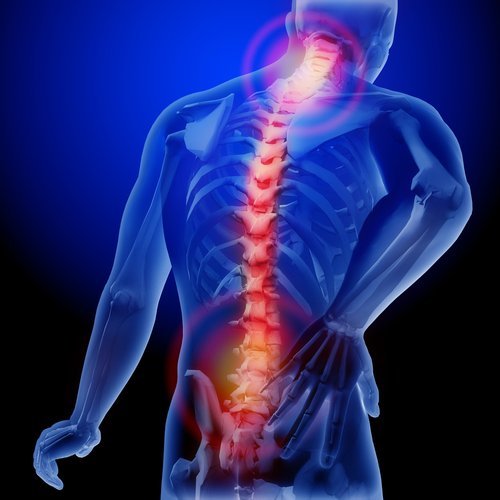
Spine and back injuries range from minor muscle strains to catastrophic spinal cord damage requiring lifetime care. Grass Valley residents injured in car accidents, workplace incidents, or falls deserve attorneys who understand the full spectrum of spinal injuries and can prove both immediate damages and long-term consequences. With over 25 years focusing on orthopedic injuries throughout Nevada County, we combine comprehensive medical knowledge with proven trial experience to maximize spine injury compensation.
Types of Spine and Back Injuries We Handle
Spinal injuries encompass a wide range of conditions affecting bones, discs, nerves, muscles, and ligaments. Understanding different injury types helps prove damages and justify appropriate compensation.
Spinal Fractures
Spinal fractures involve breaks or cracks in vertebral bones. These range from stable compression fractures to unstable burst fractures with spinal cord involvement. Compression fractures occur when vertebrae collapse from excessive downward force, commonly from falls or high-impact collisions. The vertebral body crushes and loses height, sometimes creating wedge-shaped deformity.
Burst fractures are more severe, occurring when vertebrae shatter into multiple fragments from extreme force. Bone fragments can penetrate the spinal canal, damaging the spinal cord and nerve roots. These injuries often require emergency surgery preventing permanent paralysis.
Fracture-dislocations involve both vertebral fractures and displacement where vertebrae shift out of alignment. These highly unstable injuries commonly damage the spinal cord and require surgical stabilization. Flexion-distraction fractures result from extreme forward bending forces separating vertebrae, often seen in seat-belt injuries during frontal collisions.
All spinal fractures require immediate medical evaluation because even stable-appearing fractures can become unstable, and delayed treatment of spinal cord compression causes permanent neurological damage.
Disc Injuries
Intervertebral discs act as shock absorbers between vertebrae. Traumatic forces can cause disc bulges where discs protrude symmetrically beyond normal boundaries, disc herniations where the outer layer tears allowing inner material to extrude, disc extrusions where herniated material breaks completely through but remains attached, and sequestered discs where extruded material breaks free and migrates.
Disc injuries commonly compress nerve roots causing radiating pain, numbness, and weakness in arms or legs depending on injury location. Severe disc herniations can compress the spinal cord causing myelopathy with difficulty walking, loss of fine motor control, and bladder/bowel dysfunction.
Soft Tissue Injuries
Soft tissue injuries affect muscles, ligaments, and tendons supporting the spine. These injuries are challenging to prove because standard imaging often appears normal, yet they can cause chronic pain and permanent disability.
Muscle strains involve tearing of muscle fibers from overstretching or violent contraction. Severe strains can cause permanent weakness and chronic pain. Ligament sprains occur when ligaments connecting vertebrae stretch or tear, potentially creating spinal instability. Facet joint injuries affect small joints between vertebrae, causing localized back pain and stiffness resistant to most treatments.
Proving soft tissue injuries requires MRI showing muscle and ligament damage, detailed physical examination findings, functional capacity evaluations, and expert medical testimony explaining how soft tissue damage causes real disability despite normal X-rays.
Nerve Damage
Spinal trauma can damage nerve roots exiting the spine or the spinal cord itself. Radiculopathy involves nerve root compression or injury causing pain, numbness, tingling, and weakness following specific nerve distributions. Cervical radiculopathy affects arms and hands. Lumbar radiculopathy affects legs and feet.
Spinal cord injury causes symptoms below the injury level including partial or complete paralysis, sensory loss, and loss of bladder/bowel control. Even incomplete spinal cord injuries cause profound disability requiring extensive medical care and life adaptation.
Nerve damage is proven through MRI showing compression, EMG/nerve conduction studies documenting electrical dysfunction, and neurological examinations demonstrating objective deficits.
Common Spine and Back Injury Symptoms
Seek immediate medical care if you experience:
- Severe back or neck pain preventing movement
- Pain radiating into arms or legs
- Numbness or tingling in extremities
- Muscle weakness in arms or legs
- Difficulty walking or maintaining balance
- Loss of bladder or bowel control
- Numbness in groin or rectal area (saddle anesthesia)
- Pain that worsens over hours or days after injury
Early diagnosis and treatment prevent complications and provide crucial legal documentation.
How Car Accidents Cause Spine and Back Injuries
Different collision types create distinct force patterns causing specific spinal injuries. Understanding injury mechanisms helps prove causation when insurance companies argue accidents weren't severe enough to cause claimed injuries.
Rear-End Collisions
Being struck from behind causes the body to experience sudden forward acceleration while the head lags behind, creating whiplash forces. This rapid back-and-forth movement hyperextends then hyperflexes the neck and upper spine, straining muscles, ligaments, and soft tissues. The lumbar spine experiences similar forces as the torso jolts forward while the pelvis remains anchored by the seat.
Rear-end collisions commonly cause cervical strain and sprain injuries, cervical disc herniations from extreme flexion-extension forces, thoracic spine injuries where the seatback impacts the mid-back, and lumbar injuries from sudden forward flexion. Even low-speed rear-end impacts can cause significant spinal injuries, particularly in people with pre-existing degenerative changes.
T-Bone and Side-Impact Collisions
Side-impact collisions apply significant lateral forces to the spine causing lateral flexion and rotational injuries. The impact side of the vehicle intrudes into the occupant compartment, directly striking occupants' backs and sides. This creates spinal compression, rib fractures, and soft tissue damage.
T-bone accidents commonly cause thoracic and lumbar compression fractures on the impact side, rib fractures that can puncture lungs or damage organs, lateral disc herniations from extreme side bending, and rotational injuries as the body twists during impact. The combination of lateral compression and rotation creates complex injury patterns requiring thorough diagnostic evaluation.
Head-On Collisions
Head-on collisions involve extreme deceleration forces as vehicles traveling in opposite directions collide. The sudden stop creates massive forward flexion forces on the spine while seatbelts restrain the torso. This combination can cause spinal compression fractures from axial loading, flexion-distraction fractures from extreme forward bending, disc herniations from compression and shear forces, and seatbelt injuries including thoracic and lumbar spine soft tissue damage.
Head-on collisions are among the most severe accident types, often causing multiple spinal injuries at different levels requiring comprehensive treatment.
Rollover Accidents
Rollover accidents subject occupants to chaotic forces as vehicles overturn multiple times. Bodies are thrown violently in multiple directions, striking the interior repeatedly. This creates spinal fractures from impacts with roof, pillars, and other interior surfaces, disc injuries from extreme flexion, extension, and rotation, soft tissue injuries throughout the spine, and potential spinal cord damage from violent movements and impacts.
Rollover survivors often suffer multiple spinal injuries at different levels. The unpredictable nature of forces makes these injuries complex to diagnose and treat. Immediate comprehensive imaging is essential because some injuries may be initially overlooked given multiple trauma.
Seatbelt Injuries
While seatbelts are essential safety devices preventing far worse injuries, they can contribute to spinal trauma. The force exerted by seatbelts during collisions can cause flexion-distraction fractures where extreme forward bending separates vertebrae, soft tissue injuries from belt pressure across abdomen and chest, bruising and contusions to thoracic and lumbar spine, and abdominal organ injuries that can mask spinal symptoms.
Seatbelt injuries don't mean you shouldn't wear belts - quite the opposite. These injuries prove collision severity and the massive forces involved. Seatbelts prevent ejection and death but cannot eliminate all injury from high-energy crashes.
Airbag Injuries
Airbags provide crucial protective cushioning during crashes, but they deploy with tremendous force that can occasionally cause injuries. When airbags deploy improperly or occupants are positioned incorrectly, injuries can include cervical strain from the head snapping backward during airbag deployment, facial and head trauma pushing the head into extreme extension, upper back and shoulder injuries from airbag impact force, and chemical burns or abrasions from airbag deployment chemicals.
Airbag injuries are relatively uncommon and airbags prevent far more serious injuries than they cause. However, when airbag injuries occur, they may indicate airbag defects, improper deployment, or vehicle design problems creating additional liability claims.
Vehicle Design and Safety Features
Vehicle design influences injury risk during collisions. Poorly designed seats without adequate lumbar support or side bolstering increase injury risk during impacts. Inadequate headrests positioned too low or too far from the head fail to prevent whiplash injuries. Malfunctioning airbags that deploy late, don't deploy, or deploy inappropriately create additional injury risk. Weak roof structures in rollover accidents allow roof collapse causing spinal compression.
When vehicle design or safety feature defects contribute to spinal injuries, product liability claims may be available against manufacturers in addition to claims against at-fault drivers.
Don't Let Insurance Companies Minimize Collision Forces
Insurance companies commonly argue: "The vehicles sustained minimal damage, so you couldn't be seriously injured."
Reality: Vehicle damage correlates poorly with occupant injury. Modern vehicles are designed to crumple absorbing energy while occupants still experience harmful forces. Low-speed collisions can cause significant spinal injuries, particularly in vulnerable individuals.
Insurance companies claim: "You didn't go to the hospital immediately, so you couldn't be badly hurt."
Reality: Adrenaline masks pain immediately after accidents. Many spinal injuries cause mild initial symptoms that worsen over hours or days as inflammation develops. Delayed medical care doesn't mean delayed injury.
We counter these arguments with: Biomechanical expert testimony proving injury-causing forces occurred, medical expert opinions explaining injury mechanisms, comprehensive diagnostic imaging showing objective damage, and documentation of symptom progression following recognized injury patterns.
Grass Valley Spine and Back Injury Attorney
Over 25 years serving Nevada County. Orthopedic injury focus. Advanced diagnostic evidence. Trial-focused approach.
Call (530) 265-0186 for Free ConsultationWorkplace Spine and Back Injuries
Workplace accidents cause significant spinal injuries in Grass Valley's diverse industries including construction, healthcare, retail, warehousing, and manufacturing.
Lifting and Material Handling Injuries
Improper lifting technique, lifting excessive weights, or unexpected load shifts cause acute spinal injuries. Workers commonly suffer disc herniations from sudden excessive forces, muscle and ligament tears from overstretching, compression fractures in workers with osteoporosis, and facet joint injuries from twisting while lifting.
Repetitive lifting over time causes cumulative trauma including degenerative disc disease from chronic microtrauma and chronic muscle strain from overuse. These gradual injuries are equally compensable when work substantially caused or aggravated the conditions.
Fall Injuries
Falls from heights or same-level falls on hard surfaces cause severe spinal trauma. Construction workers falling from ladders, scaffolds, or roofs commonly suffer compression fractures, burst fractures with spinal cord injury, and severe soft tissue trauma. Healthcare workers assisting patients who suddenly fall or collapse frequently injure their backs. Warehouse workers slipping on wet floors land on backs causing disc and soft tissue injuries.
Fall injuries often involve both direct impact trauma and forces transmitted through the skeleton as victims attempt to catch themselves or land on feet.
Workers' Compensation vs. Third-Party Claims
Workers' compensation covers medical treatment and partial wage replacement but doesn't compensate for pain, suffering, or full wage losses. When third parties contribute to workplace injuries, personal injury claims may be available including equipment manufacturers for defective machinery or lifts, property owners for unsafe premises, contractors or subcontractors for unsafe working conditions, and vehicle drivers for traffic accidents during work duties.
We identify all potential liable parties maximizing recovery beyond workers' compensation limitations.
Proving Your Spine Injury Case
Successful spinal injury cases require comprehensive evidence proving injury existence, causation, and damages.
Diagnostic Imaging Evidence
MRI provides the most detailed spinal anatomy visualization showing disc herniations and soft tissue injuries, spinal cord and nerve root compression, ligament and muscle tears, and bone marrow edema indicating fractures. CT scans show bone detail for fracture diagnosis including fracture location and severity, bone fragment position, and spinal canal narrowing. X-rays provide initial fracture screening and alignment assessment though they miss soft tissue injuries entirely.
Advanced imaging like DTI can show spinal cord microstructural damage invisible on standard MRI, proving more severe injury than conventional imaging suggests.
Electrodiagnostic Testing
EMG and nerve conduction studies objectively document nerve damage from spinal injuries. These tests identify which nerve roots are damaged, quantify damage severity, distinguish acute from chronic nerve injury, and provide objective evidence supporting subjective pain complaints.
Insurance companies cannot dismiss objective electrodiagnostic findings as exaggeration or malingering.
Functional Assessments
Functional capacity evaluations objectively measure work abilities and limitations. Physical therapists or occupational therapists observe you performing various tasks measuring lifting capacity, sitting/standing tolerance, walking endurance, and ability to perform job-specific activities. These evaluations provide objective data supporting disability claims and vocational limitations.
Medical Expert Opinions
Qualified orthopedic surgeons, neurosurgeons, and physiatrists provide critical opinions establishing injury causation, treatment necessity and reasonableness, prognosis and permanency, and work restrictions and limitations. We work with respected specialists throughout Northern California whose testimony withstands cross-examination and persuades juries.
Building Your Spine Injury Case: What You Need
- Immediate medical documentation - Emergency department or urgent care within 24-48 hours
- Comprehensive diagnostic imaging - MRI of injured spinal regions, CT if fracture suspected
- Specialist evaluations - Orthopedic surgeon or neurosurgeon assessment
- Complete treatment records - Physical therapy, pain management, surgical records
- Electrodiagnostic testing - If neurological symptoms present
- Functional assessments - Documenting objective limitations
- Employment records - Pre-injury performance, post-injury restrictions
- Daily symptom journals - Contemporaneous evidence of pain and limitations
- Accident evidence - Photos, police reports, witness statements
- Expert medical opinions - Causation, prognosis, permanency
Spine Injury Damages and Compensation
Spinal injuries justify substantial compensation due to significant medical costs, lost earning capacity, and life-altering impacts.
Medical Expenses
Spinal injury medical costs include emergency treatment and hospitalization, diagnostic imaging (X-ray, CT, MRI, potentially EMG), orthopedic and neurosurgical consultations, conservative treatment (physical therapy, medications, injections), surgical intervention if necessary ($50,000-$200,000+), and post-surgical rehabilitation.
Life care planners project future medical needs including ongoing pain management, potential revision surgeries, treatment for adjacent segment degeneration, and medical equipment like braces and supports. Lifetime medical costs for surgical spinal cases often exceed $200,000 to over $1,000,000 depending on age and injury severity.
Lost Wages and Earning Capacity
Spinal injuries cause immediate wage losses during treatment and recovery. More significantly, many patients never regain full work capacity. Permanent restrictions commonly include lifting limits (10-50 pounds depending on injury), no repetitive bending or twisting, limited sitting and standing duration, no climbing or working at heights, and no operating heavy equipment.
These restrictions eliminate many job categories. Vocational experts evaluate realistic employment options given restrictions, education, and transferable skills. Economic experts calculate lifetime earnings losses often reaching hundreds of thousands to millions of dollars for younger workers.
Pain, Suffering, and Loss of Quality of Life
Chronic spinal pain profoundly impacts quality of life. Non-economic damages include constant or frequent pain affecting all activities, mobility limitations preventing routine tasks, sleep disturbance from pain, inability to participate in hobbies and recreation, sexual dysfunction, depression and anxiety from chronic pain, and strained family relationships.
Compelling presentation of non-economic damages requires detailed patient testimony, family and friend observations, day-in-the-life videos, and expert testimony about typical quality of life impacts. These damages often equal or exceed economic damages in severe cases.
Why Choose Phillips Personal Injury for Your Spine Case
Spinal injury cases require attorneys with specific knowledge and experience that general personal injury practitioners lack.
Orthopedic Injury Focus
Unlike most injury attorneys who'll take any kind of case, we focus our practice on orthopedic and brain injury so we can stay on the cutting edge of the medicine. This specialization means we understand complex spinal anatomy and biomechanics, stay current with latest diagnostic technologies, work with top orthopedic and neurosurgical experts, and can effectively present sophisticated medical evidence to juries.
25+ Years Nevada County Experience
Our quarter-century practicing in Nevada County Superior Court provides significant advantages including understanding local judges' evidentiary preferences, knowledge of Nevada County jury attitudes, established relationships with local medical providers, and familiarity with Nevada County court procedures and culture.
Trial-Focused Representation
We prepare every case assuming it will go to trial rather than hoping for settlement. Insurance companies know we've tried hundreds of cases and won't accept inadequate offers. This reputation creates settlement leverage producing better results.
Transparent Contingency Fees
We charge 29% if we settle before filing suit (lower than typical 33⅓%), 33⅓% after filing but before trial, and 40% if the case goes to trial. Fees are calculated on net recovery after deducting costs. You pay nothing if we don't recover money for you.
Frequently Asked Questions
Should I see my regular doctor or go to the emergency department? For severe symptoms including severe pain, numbness, weakness, or bladder/bowel problems, go to the emergency department immediately. For less severe symptoms, see your regular doctor or urgent care within 24-48 hours. Either way, seek evaluation quickly - delayed care damages legal claims.
The insurance company wants me to see their doctor. Should I? Insurance Independent Medical Examinations (IMEs) are designed to minimize your injuries. Before attending any IME, consult your attorney about your rights, what to expect, and how to protect yourself. You may be required to attend IMEs eventually but you have protections regarding timing and scope.
How long will my case take? Timeline depends on treatment duration and case complexity. Simple cases with conservative treatment may resolve in 12-18 months. Complex cases requiring surgery often take 24-36 months. Never rush settlement before reaching maximum medical improvement.
What if I can't afford treatment? Many providers treat on liens deferring payment until settlement. Your health insurance may also cover treatment. Discuss financial concerns with us immediately - we'll help arrange necessary care. Never skip treatment due to cost.
Can I still have a case if I had back problems before the accident? Yes. Pre-existing conditions don't prevent recovery when accidents aggravate them causing new or significantly worse symptoms. California's eggshell plaintiff doctrine protects your rights. The key is proving the accident caused substantial worsening.
What makes your firm different? Our orthopedic injury focus, 25+ years Nevada County experience, trial-focused approach, and commitment to staying on the cutting edge of spinal injury medicine. We're not a high-volume settlement mill - we limit caseloads ensuring every client receives partner-level attention.